
Why Purple?
Twice a year, the church turns violet. The color means something, and it's not quite the same both times.
Twice a year, the church changes color.
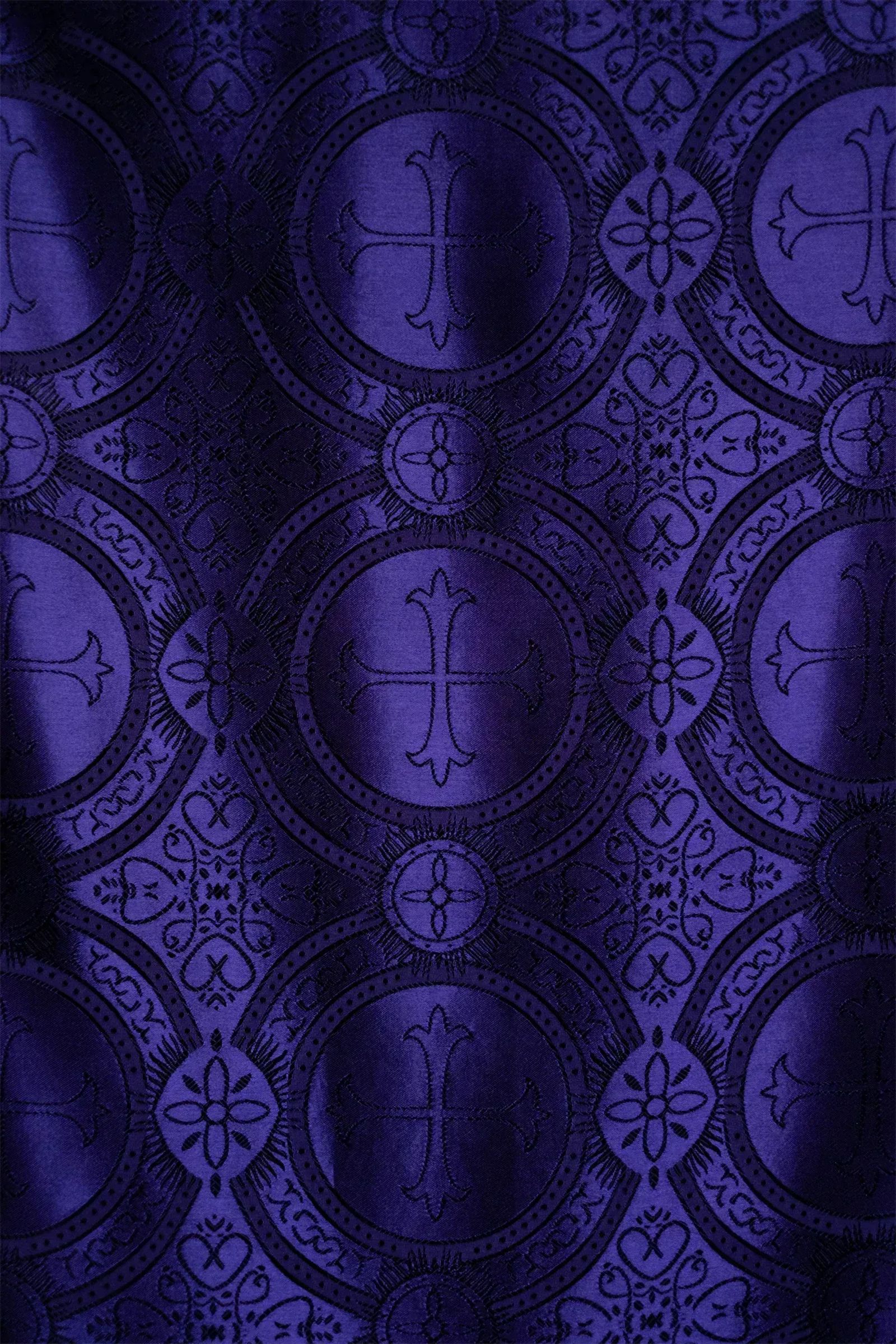
The green of Ordinary Time gives way to purple, first in Advent, then again in Lent. The altar cloths, the vestments, the stoles all shift. It's a visual cue, quiet but unmistakable. The Church is entering a different kind of season.
We learn through our senses, not just our minds. We see before we understand. And so the liturgy speaks through color, training our eyes to recognize the season before a word is spoken.
Royalty and Penitence
Purple carries a double meaning, and both are at work in these seasons.
In the ancient world, purple dye was precious, extracted painstakingly from sea snails, affordable only to royalty. To wear purple was to claim authority. Emperors wore it. Kings were draped in it.
But purple is also the color of bruising. Of suffering. Of a king mocked and beaten, wrapped in a purple cloak by soldiers who didn't know they were dressing God for his throne.
Both meanings matter. In Advent, we await a King. In Lent, we walk with that King toward his Crucifixion. The purple holds royalty and sorrow together, because in Christ, they are inseparable.
Two Seasons, Two Tones
Purple appears in both Advent and Lent, but the mood is not identical.
Advent is anticipation. We wait for the coming of Christ, his birth at Christmas, yes, but also his return at the end of time. The purple of Advent has a quality of longing, of watching in the dark for light to appear.
Lent is repentance. We prepare for Easter not by waiting but by turning, away from sin, toward God. The purple of Lent is more penitential, more sober. The Gloria is silenced. The Alleluia disappears. Flowers are removed from the sanctuary.
Some parishes mark this difference by using a bluer violet in Advent and a redder violet in Lent. The distinction is subtle, but it reflects a real difference in the seasons' character.
A Pause in Rose
Both seasons also share something unexpected: a Sunday in rose.
In Advent, it's Gaudete Sunday, the Third Sunday, when the Church pauses to rejoice. Christmas is near. In Lent, it's Laetare Sunday, the Fourth Sunday, when the austerity lightens for a moment. Easter is coming.
The rose vestments are brief, a single day, but they matter. Even in seasons of preparation and penance, the Church makes room for joy. The darkness is real, but it will not last.
Seeing the Season
You don't need to understand all of this for it to work on you. That's the genius of liturgical color. It forms us whether we notice it or not.
But it's worth noticing. When you walk into church and see purple, let it register. Ask yourself: what am I waiting for? What am I turning away from? What is being prepared in me?
The color will change. It always does. Advent purple gives way to Christmas white. Lenten purple gives way to the gold of Easter. The rhythm continues, year after year, shaping us into people who know how to wait, how to repent, and how to rejoice.