
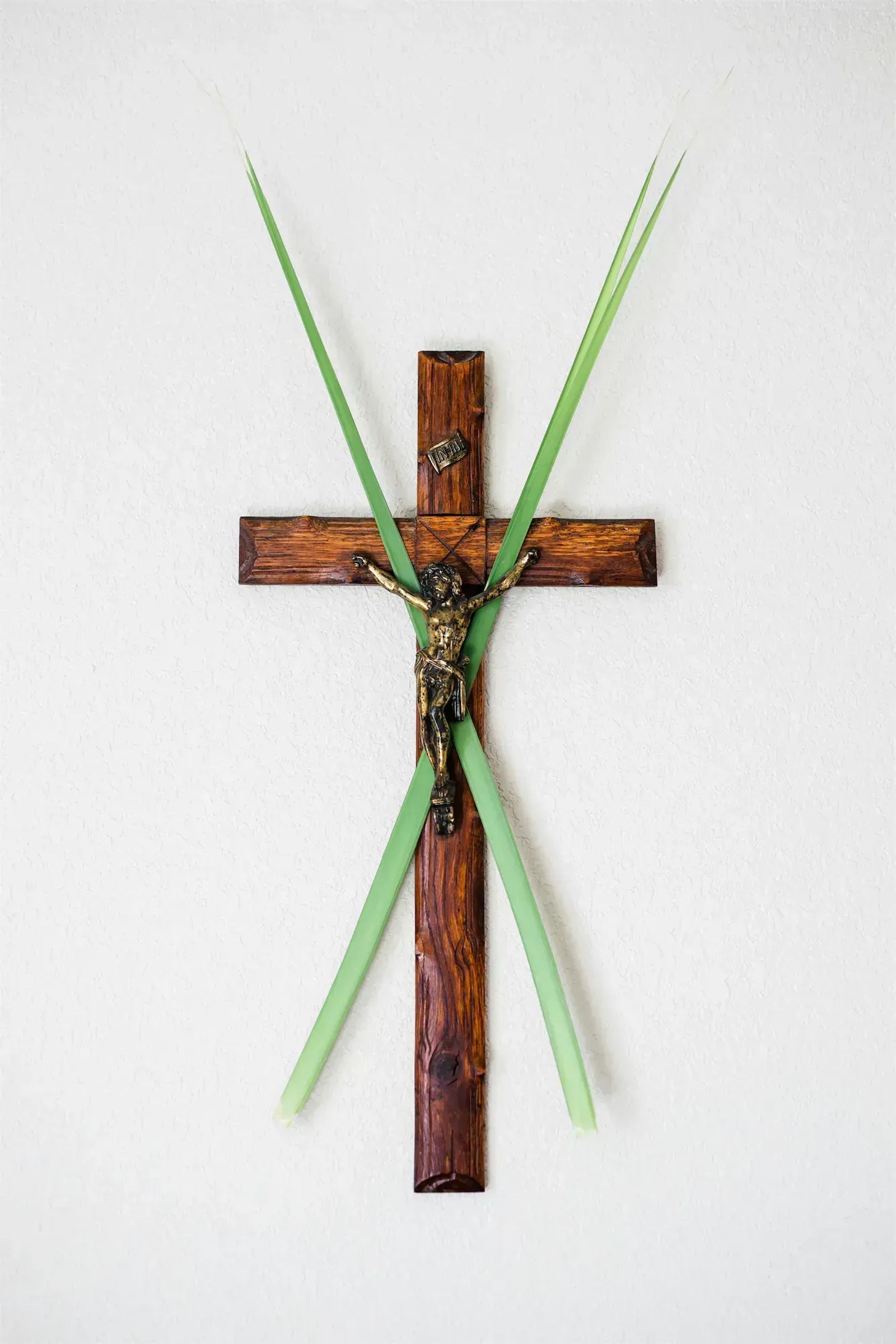
The Three Pillars of Lent
Prayer, fasting, and almsgiving, these aren't just Lenten obligations. They're the pattern Jesus himself gave us for turning our hearts back to God.
Every year, as Lent approaches, we hear the same three words: prayer, fasting, almsgiving. They can start to feel like a checklist, things to endure until Easter arrives. But these practices aren't arbitrary. They come directly from Jesus, and they're meant to do something to us.
In the Sermon on the Mount, Jesus teaches about all three in sequence: "When you give alms... when you pray... when you fast..." (Matthew 6:1-18). He doesn't say if. He says when. He assumes his followers will do these things. The question is whether we'll do them for show or for transformation.
Lent gives us forty days to find out.
Why These Three?
There's an old insight that every human being struggles with three fundamental attachments: the desire for pleasure, the desire for power, and the desire for possessions. We want comfort, control, and stuff. These aren't evil in themselves, but they can quietly become the center of our lives, displacing God without us even noticing.
The three pillars address each one.
Fasting strikes at our attachment to pleasure and comfort. When we voluntarily go without food, or give up something we enjoy, we're reminded that we are not slaves to our appetites. We're also reminded, in a small way, of Christ's own hunger in the desert, and of the many in our world who go without, not by choice.
Prayer strikes at our attachment to control. When we pray, we acknowledge that we are not in charge. We place ourselves before God, listening more than speaking, asking for his will rather than demanding our own. Prayer is the practice of dependence.
Almsgiving strikes at our attachment to possessions. When we give, money, time, attention, we loosen our grip on what we have. We remember that everything is gift, and that we are called to be conduits of God's generosity, not hoarders of it.
Together, the three pillars work on the whole person: body, soul, and relationships.
The Practice, Not Just the Idea
It's easy to talk about these things in the abstract. The harder part is actually doing them.
For prayer, Lent is an invitation to add something, not just think about prayer more. Maybe it's attending one extra Mass during the week. Maybe it's fifteen minutes of silence before the Tabernacle. Maybe it's praying the Stations of the Cross on Friday evenings. The Church offers us these practices; we just have to show up.
For fasting, the temptation is to pick something easy, or to pick something so hard we abandon it by the second week. The goal isn't heroic suffering. It's creating a small space of hunger or inconvenience that turns our attention back to God. When the craving hits, let it become a prayer. That's the point.
For almsgiving, remember that this isn't just about money. It's about giving what costs us something. Time with someone who is lonely. Patience with someone who is difficult. Attention to someone we'd rather scroll past. The checkbook matters, but so does the calendar.
The Rhythm of the Season
Lent begins with Ash Wednesday, when we're marked with ashes and reminded of our mortality: "Remember that you are dust, and to dust you shall return." It's a sobering start. But the season is not meant to be grim. It's meant to be clarifying.
Throughout these forty days, the parish offers extra opportunities, Stations of the Cross, additional confession times, perhaps a Lenten mission or teaching series. These aren't obligations piled on top of obligations. They're helps. The Church knows we can't do this alone.
And we're not alone. The whole community is walking this road together. There's something powerful about knowing that the person next to you in the pew is also fasting, also praying, also trying to let go of something that has too strong a grip.
Toward Easter
The three pillars are not ends in themselves. They're preparing us for something. We fast so that we can feast. We pray so that we can hear. We give so that we can receive.
When Easter comes, we want to arrive not exhausted but ready, hearts cleared out, space made for the joy of the Resurrection to land somewhere. The discipline of Lent is like cleaning a room before a guest arrives. The guest is the point, not the cleaning.
So as Lent begins, don't approach these forty days as a test to pass. Approach them as an invitation. The Lord is offering us a season to come back to him, through our bodies, through our silence, through our open hands.
Let's not waste it.